In a city like Spring, TX, where high humidity and fluctuating temperatures are the norm, indoor air quality (IAQ) becomes a key concern for commercial buildings. From office complexes to retail stores, clean, well-circulated air is essential for both employee comfort and customer experience. The HVAC system in your building plays a major role in determining the quality of the air you breathe indoors.
The Role of HVAC Systems in Indoor Air Circulation
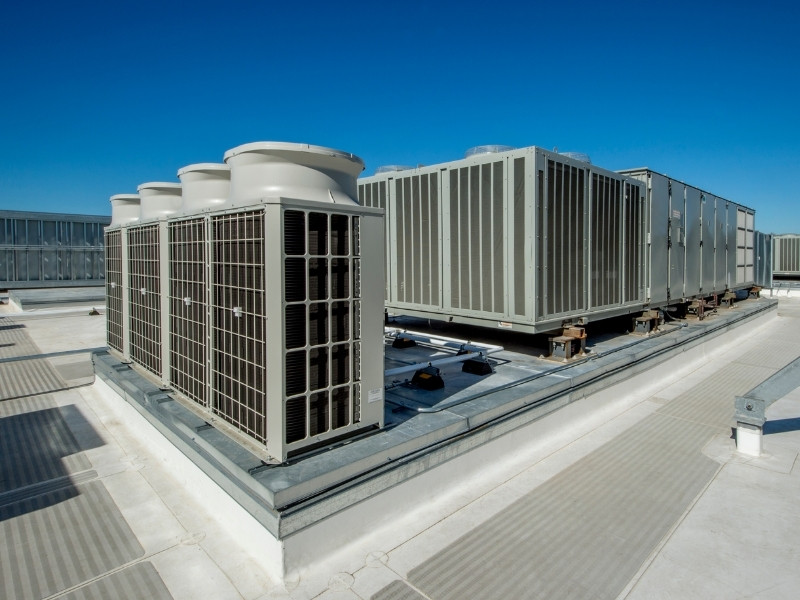
Commercial HVAC systems are designed to manage the flow of air throughout your building. They regulate temperature, humidity, and ventilation, all of which directly impact air quality. Without proper airflow, airborne contaminants can accumulate and recirculate, leading to unhealthy indoor conditions. Poorly designed or improperly balanced systems can create pressure imbalances, allowing pollutants to spread from one area to another.
A properly installed and maintained system ensures consistent air exchange between indoor and outdoor spaces, helping to dilute indoor pollutants and maintain a steady supply of fresh air. This is particularly important in tightly sealed buildings where natural ventilation is limited.
Common Airborne Contaminants in Commercial Spaces
Workplaces are full of potential airborne pollutants that can impact indoor air quality. These include:
- Dust from foot traffic, furniture, and building materials
- Volatile organic compounds (VOCs) from cleaning supplies, paints, and office equipment
- Biological contaminants like spores, bacteria, and other air particulates
- Pollen and outdoor allergens that enter through poorly sealed systems
If these contaminants aren’t effectively filtered out or diluted, they can lead to symptoms like headaches, fatigue, and respiratory issues, commonly known as “sick building syndrome.”
How HVAC Maintenance Impacts Air Quality
Routine maintenance is one of the most effective ways to improve air quality in your commercial space. Dirty coils, clogged condensate lines, and leaking ductwork can all contribute to poor air conditions and reduce system efficiency. Regularly scheduled preventive maintenance helps keep these components clean and operational.
It’s especially important to replace your filters regularly. Filters become saturated with particles and lose their effectiveness over time. Replacing filters as recommended keeps airborne particles from circulating through your space and allows your system to perform at its best.
Upgrades That Improve IAQ in Commercial Buildings
In addition to maintenance, certain HVAC upgrades can make a measurable difference in air quality. High-efficiency filters can trap smaller particulates than standard models, improving filtration without restricting airflow. Ultraviolet (UV) lights can be installed near the condenser coils to prevent biological growth and help sterilize the air as it moves through the system. Advanced zoning systems and improved ventilation controls allow for better distribution of clean air and more precise humidity management. Together, these upgrades support healthier indoor conditions and more consistent comfort.
Why Local Expertise Matters in Spring, TX
Spring, TX presents its own set of challenges when it comes to commercial HVAC performance. High humidity levels and year-round pollen exposure can put added strain on your system and increase the risk of poor indoor air quality. That’s why it’s important to work with HVAC professionals who understand the local climate and its effect on building performance.
To ensure your business maintains a clean and comfortable environment, trust the Spring HVAC experts at Total Comfort A/C Systems. Our commercial HVAC services are designed to optimize system performance and improve indoor air quality in every season.
Frequently Asked Questions
How often should commercial HVAC filters be replaced?
Most commercial systems require filter replacement every 1–3 months. In Spring, TX’s humid, pollen-heavy climate, more frequent replacement may be needed.
Can regular HVAC maintenance really improve indoor air quality?
Yes. Preventive maintenance reduces dust, mold, and VOC circulation while boosting system efficiency and energy savings.
What are the signs of poor indoor air quality in my building?
Common signs include lingering odors, visible dust, uneven humidity, and employee complaints such as fatigue, headaches, or allergy-like symptoms.
Image provided by Canva